The West Lake Aquatic Vegetation Report is now available.
To read the full report click this link The West Lake Aquatic Vegetation Report
2025 GRANT FUNDING AWARDED
In 2025 the West Lake Community Association was successful in their Grant applications for the following funding ~ Invasive Phragmites Control Fund from the Invasive Species Centre $4,000, and also awarded $4,525 from the Municipal Community Grants Program which the Corporation of Prince Edward County’s County Foundation administers. These Grants along with funding the WLCA received in 2025 from Water Rangers to cover lake water testing equipment and educational tools, and a microgrant from CWF and Watersheds Canada, have made it possible for the Association’s Environmental steering Committee to continue and expand it's vital Protect West Lake and Wetland Stewardship Program initiatives. The WLCA is very grateful to these important organizations, and for the continuing opportunity to educate and provide resources to help protect the health of West Lake and well-being of the residents and visitors to the community.
WEST LAKE AQUATIC INVASIVE PHRAGMITES CONTROL PROJECT
In 2023, the West Lake Community Association (WLCA) began the first stage of an ambitious 5-Year Aquatic Invasive Phragmites Control Project on the Eastern side of West Lake and Wetland in Prince Edward County. Thanks to successful Grant applications for funding from the Invasive Species Centre, this important Project is in the third and most ambitious stage of the Project in 2026. This Project is only one of the WLCA's West Lake and Wetland Protection Projects in its Stewardship Programme. Initially, the Project was created to help more people living and vacationing in and around the Lake have a much better understanding of the negative impacts of what is one of Ontario's most invasive vegetation species...and also, one of the most challenging to control.
The WLCA continues to create more awareness of Invasive Phragmites through educational workshops, hands-on projects, and increasing its collaborations and partnerships with other like-minded organizations. to control its spread. The WLCA Chair is a member of the Quinte Region Phragmites Management Area Forum Group, and has given a presentation to this group on the WLCA Invasive Phragmites Control Project. This Project was also created to encourage engagement with waterfront landowners and also the municipality for its support and capacity building for the management, control and removal of aquatic Invasive Phragmites.
Over the last 4 years, Invasive Phragmites has spread rapidly in West Lake, particularly in the Eastern side of West Lake where our 2026/2027 control efforts are focused. As additional funds become available, the Project will expand into other areas of West Lake. There is very little water flow/movement on this side of the lake, and with warming water temperatures, it is the 'perfect storm' for Phragmites to spread with its long underwater rhizomes. The lack of good water flow in this area of the lake is due to being cut off from the rest of the lake by the Sheba's Island 'causeway'/Winn's Drive .
The masses of Invasive Phragmites are putting the identified habitats of Endangered and Species at Risk (SAR) at greater risk, pushing out native aquatic and terra vegetation, and making the lake and wetland less able to support life.
Please see the article "A Habitat for Waterfowl and Invasive Phragmites" on this page.
A Habitat for Waterfowl and Invasive Phragmites
The County's Sustainability website
The West Lake Community Association is now listed on the County's Sustainability website on the Resource page.
From Rain to Root: Slowing Shoreline Erosion With Storm Water Management Techniques
The Freshwater Stewardship Community's first webinar of 2022!
Thank you to Rosmarie Lohnes for sharing her expertise and knowledge regarding the importance of storm water management techniques and using native plants.
You can now watch Rosmarie's full presentation here:
Thank you for joining us for the Freshwater Stewardship Community's fourth webinar of 2022! Thank you to Lamisa Malik for sharing her research about legacy phosphorus and the steps that can be taken to address this complex issue.
You can now watch Lamisa's full presentation on our YouTube channel. Don't forget to subscribe to our YouTube channel to stay up-to-date on all of our webinars, behind-the-scenes program updates, and more!
If you haven't already, we would greatly appreciate you taking a few minutes to fill in our anonymous evaluation survey: https://forms.gle/5nroASBa47J9i19eA. Your feedback helps us choose future topics and speakers, and helps us show funders the importance of the Freshwater Stewardship Community.
Follow-up information:
- The new handout created by Lamisa Malik and Watersheds Canada is now available for download on Watersheds Canada's website (scroll down under "Education Resources"). This handout is a great summary of key points from Lamisa's presentation - we encourage you to share it on your social media, on your community group's website, or with your neighbours and colleagues!
- If you have any additional questions for Lamisa, you can email her: lamisa.malik@uwaterloo.ca
- Re-naturalize your shoreline or upstream property! Use Watersheds Canada's free, Canada-wide Natural Edge Native Plant Database to see what native plants are best suited for where you live and what type of soil, sunlight, and moisture levels you have on your property.
- If you are looking to add native plants to your property, we recommend checking out some of the free resources found on Watersheds Canada's website. Here you will find a Shoreline Habitat Creation Manual, Native Plant Care Guide, Wildflower Garden Guide, and Lake Links Planning Committee's Lake Protection Workbook, all of which are available for free download.
View the PowerPoint slide deck presented to the WCLA on February 28th, 2022.
Don't forget to put your sound on.
UPDATE - to see the interview Cathy did with Monica from Watersheds Canada, click on the link below.
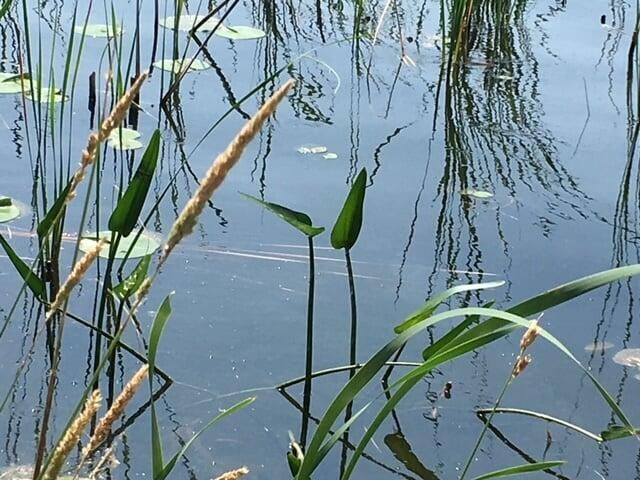
An Aquatic Vegetation Survey is being carried out on West Lake by a team from Quinte Conservation. The purpose is to collect baseline data on the specific vegetation community, the presence of invasive species and determine the need for education, control and monitoring of West Lake.
Volunteers from the West Lake community are working together with Quinte Conservation and Watersheds Canada utilizing community-based water monitoring programmes (Water Rangers and Lake Partner), along with other programmes made available through funding that these organizations recently received from DFO (Department of Fisheries and Oceans) supporting the Habitat Stewardship Programme for Aquatic Species at Risk. East Lake, West Lake and Wellers Bay are the fortunate recipients in 2021. It begins with the Love Your Lake Programme on West Lake.
"The Butterflyway Project is based on our Homegrown National Park Project, an award-winning initiative project that created butterfly-friendly corridors in three Toronto neighbourhoods. In 2020, the Butterflyway Project received the Canadian Museum of Nature’s 2020 Nature Inspiration Award!"
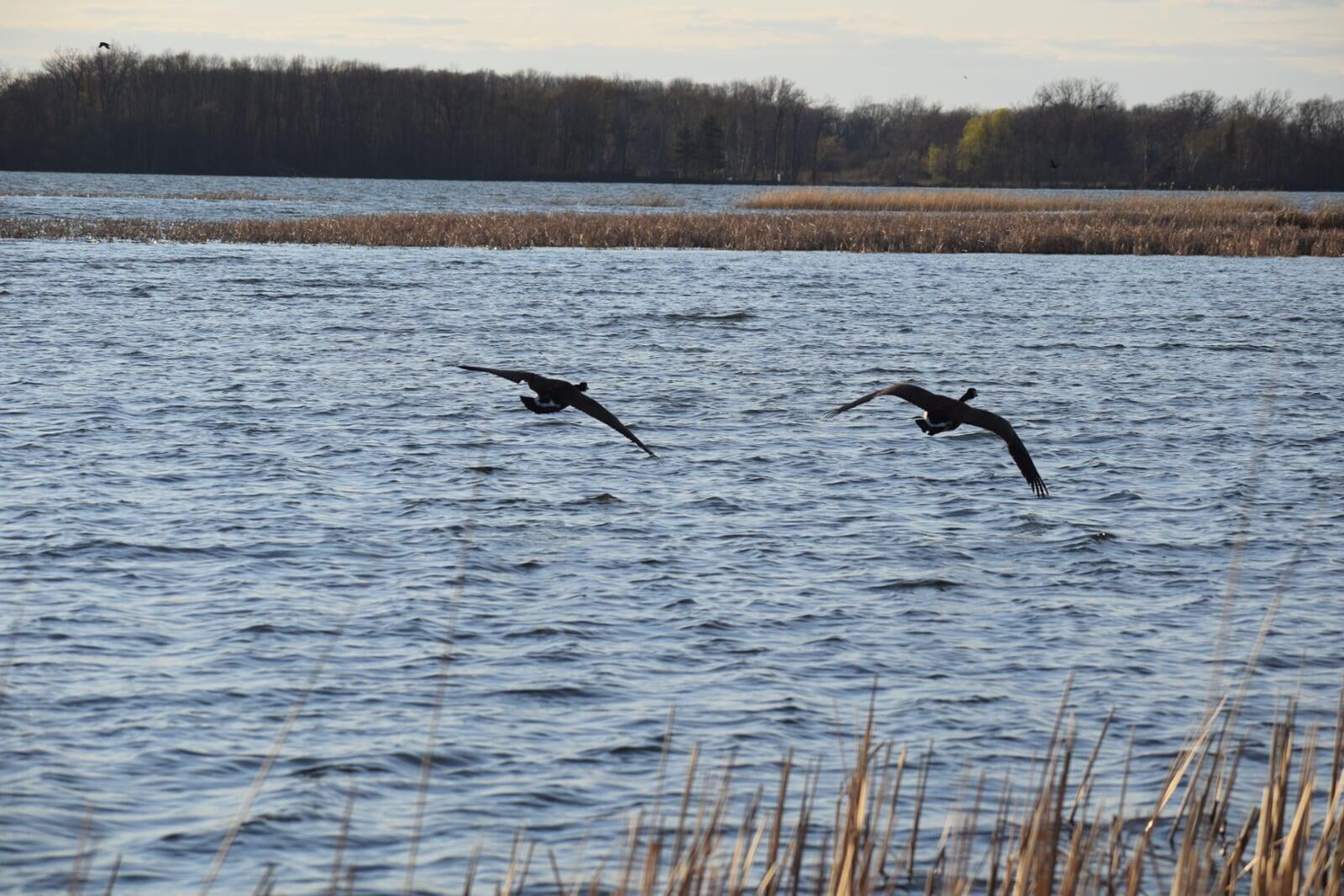
West Lake Wetlands ~ A Provincially Protected Area of Importance – Prince Edward County is blessed with many Wetlands in a variety of shapes and sizes. They provide a number of benefits to residents and visitors alike, including to the fish, wildlife and waterfowl that call this area home.
A bit about the vital importance of a healthy Wetlands ~ They are so unique and valuable because they are natural filters that improve water quality, and remove many contaminants such as phosphorus and nitrogen. In Prince Edward County some, like the West Lake Wetlands, are connected by water pathways to underlying groundwater – with water moving into the ground from the Wetland (recharge) or moving out of the ground into the Wetland (discharge). In this way, those Wetlands perform a vital function as ‘guardians of groundwater’, protecting both its quality and quantity of water. This is especially important given that the rural residents and farmers in this special and unique area of West Lake have limited potable water supplies.
* With permission to reprint excerpt obtained from source - Ducks Unlimited “Prince Edward County Wetlands – Great for Water, Wildlife, and Wandering!”
Adopt-A-Pond Wetland Conservation Program
- Sightings of snakes in the West Lake area
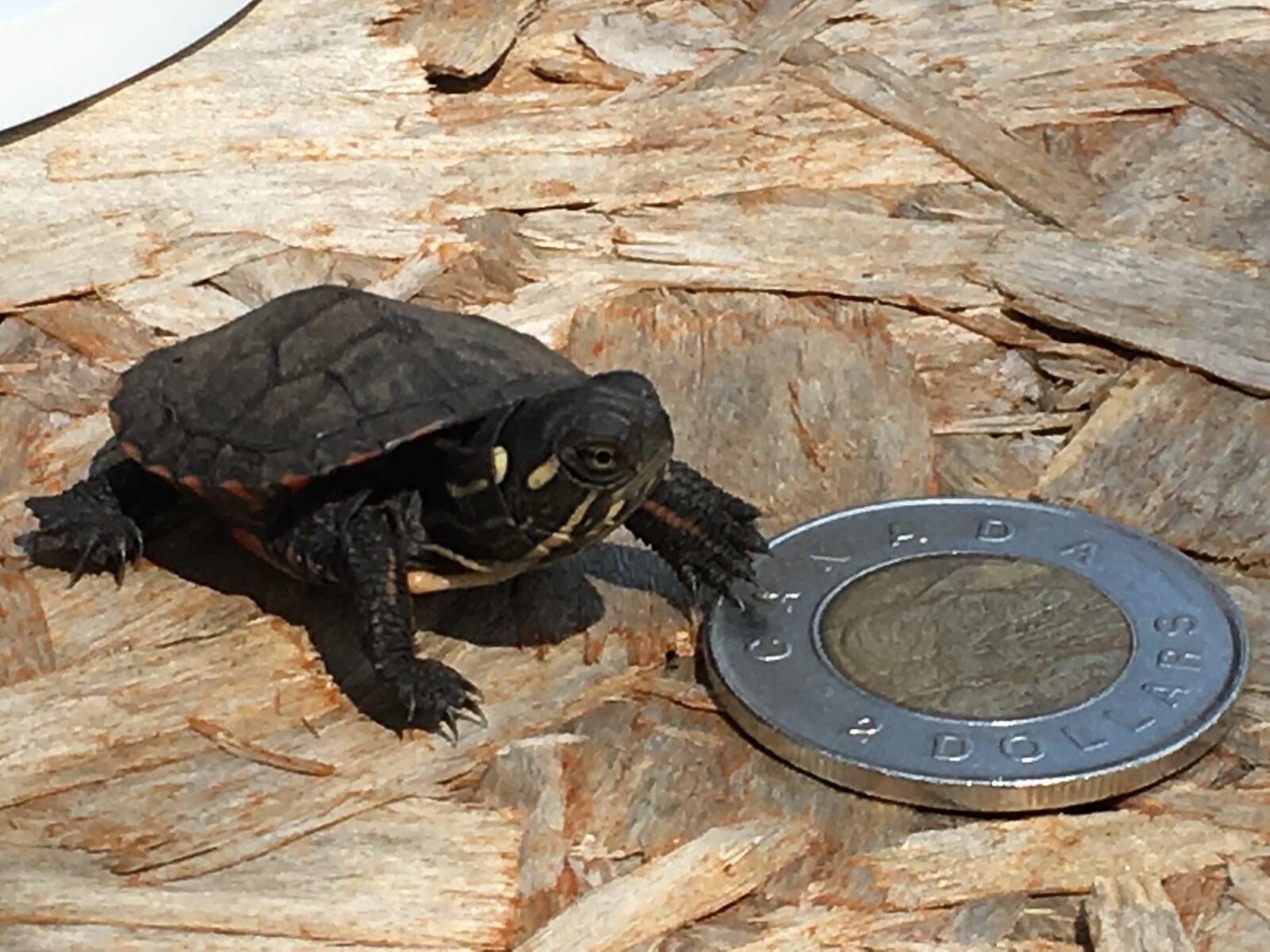
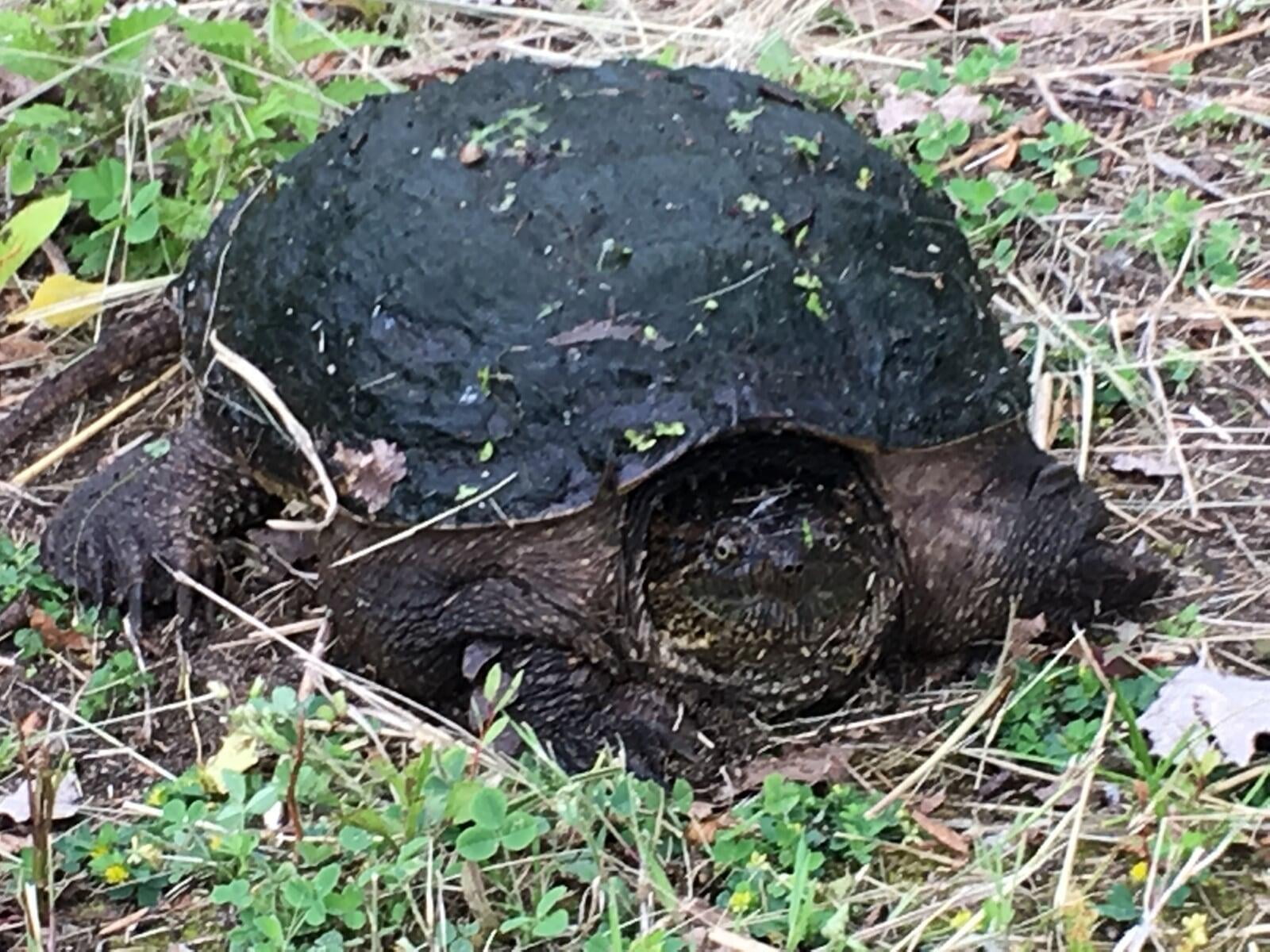
- Sightings of turtles in the West Lake area
- Sightings of frogs and toads in the West Lake area
- Sightings of salamanders in the West Lake area
South Shore Joint Initiative Presents: Invasive Species Webinar Recording
Did you miss Amanda Tracey from Nature Conservancy Canada talking about Invasive Species in the South Shore?
We’ve got you covered!
Click here to watch.
Cycling Master Plan
Our community has been voicing our concerns about the safety issue of trying ride on our roads for about a year. Looks like good news IF MTO funds the paved shoulders.
Love Your Lake
Watersheds Canada Program with support from QC
Water Rangers
Water Rangers Testing Kits and Data Platform
Natural Edge Programme
Watersheds Canada Program with support from QC
Planting Workshop Day
QC and Watersheds Canada (maybe just QC – we will see how things go)
Programs
These are some of the programs the WLCA will be participating in.
Volunteers are always needed, please consider participating.
Aquatic Vegetation Survey
(1 week on each of the 3 lakes) – QC staff are doing the vegetation surveys
Where to find our WLCA brochure
Currah's Store at Outlet Beach
https://www.facebook.com/Currahssandbanksparkstoreandgrill/
Nature Store, Sandbanks Provincial Park -http://www.friendsofsandbanks.org/newsite_2017/2017_friends_shop.html
The Tambo Store, County Rd. 12
www.facebook.com/thetambostore
Isaiah Tubbs Resort, County Rd. 12